

#Self-Employed
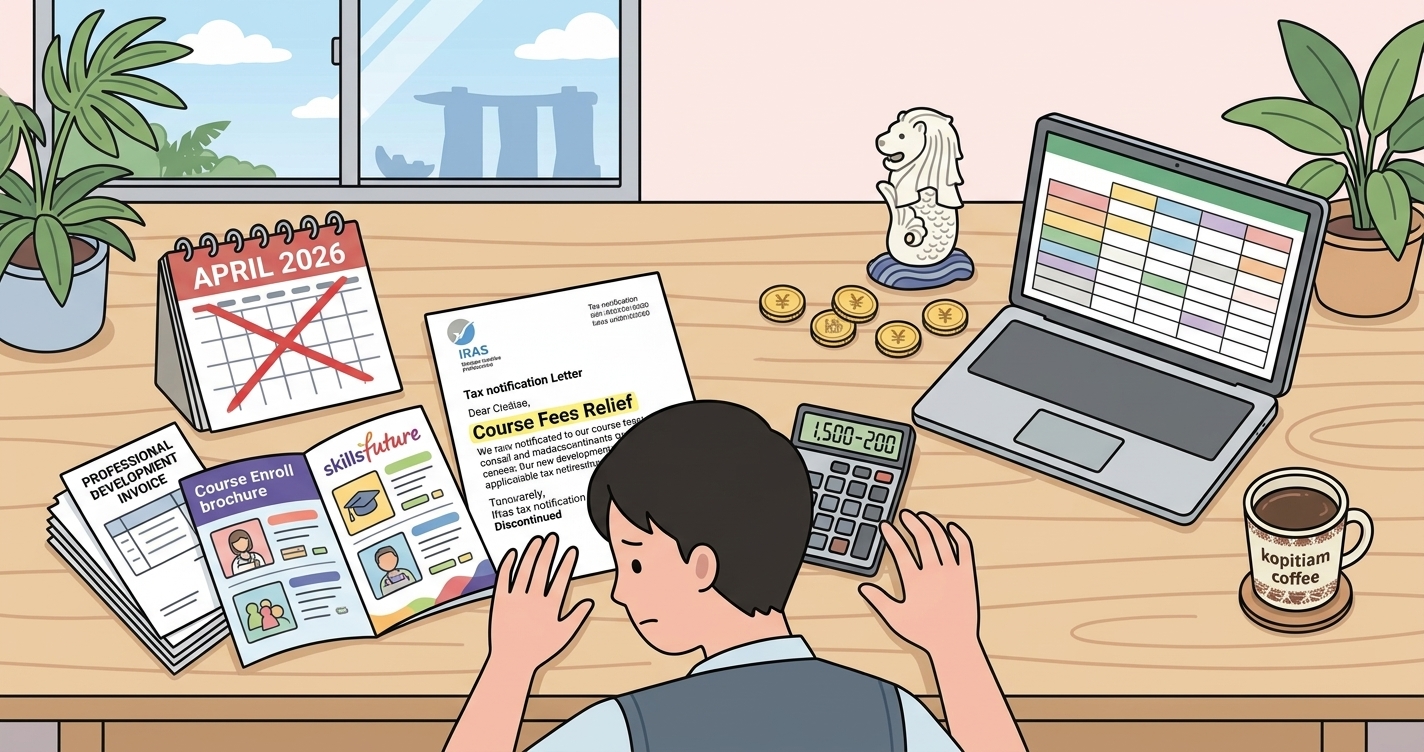
Course Fees Relief Discontinued from YA 2026: What Singapore Freelancers Should Do
Singapore's Course Fees Relief ended from YA 2026, with YA 2025 the last claim year. Here is what changed, the YA 2027 review, direct support like SkillsFuture, and when self-employed people can still deduct course fees as a business expense.
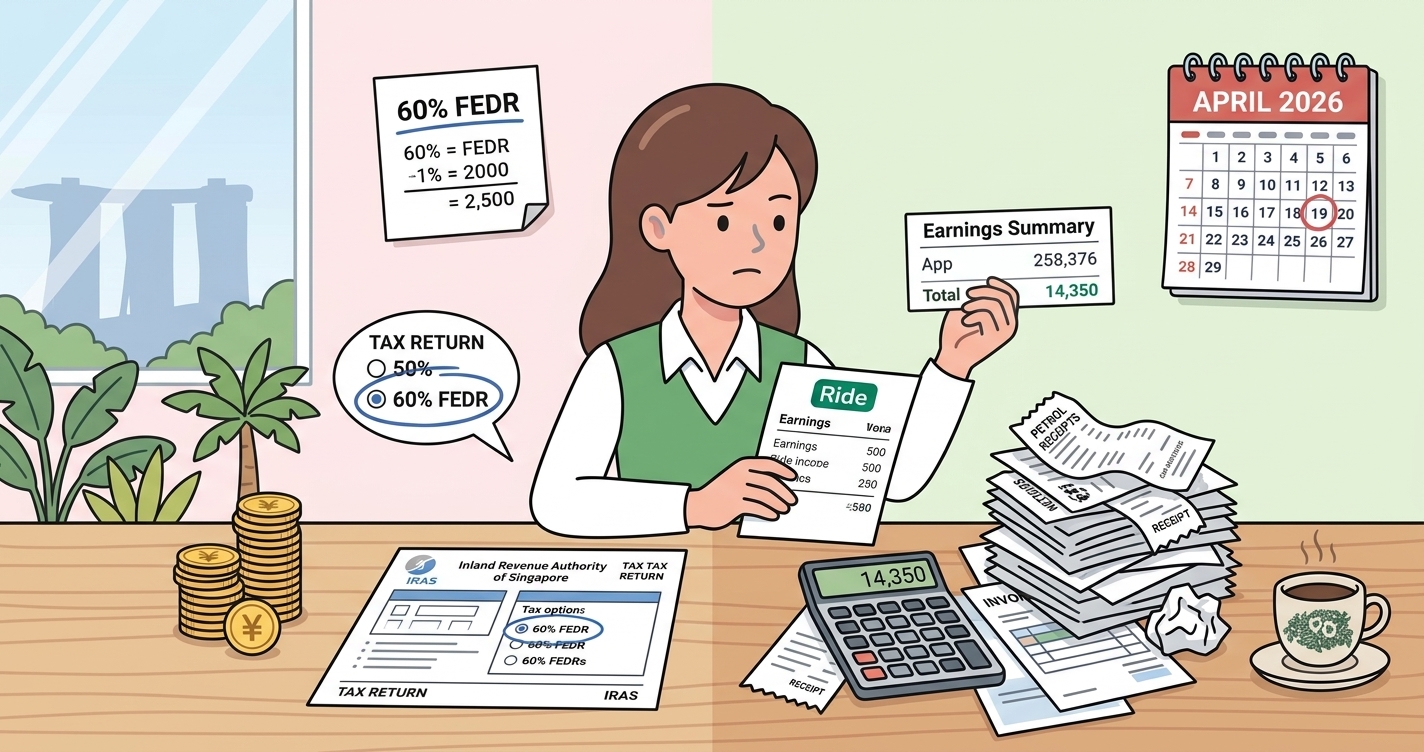
FEDR vs Actual Expenses: Which Saves Singapore Gig Workers More Tax? (2026)
Singapore's Fixed Expense Deduction Ratio gives drivers a 60% deemed deduction with no records — but if your real costs are higher, claiming actual expenses saves more. Here's how to decide each year, with worked numbers.
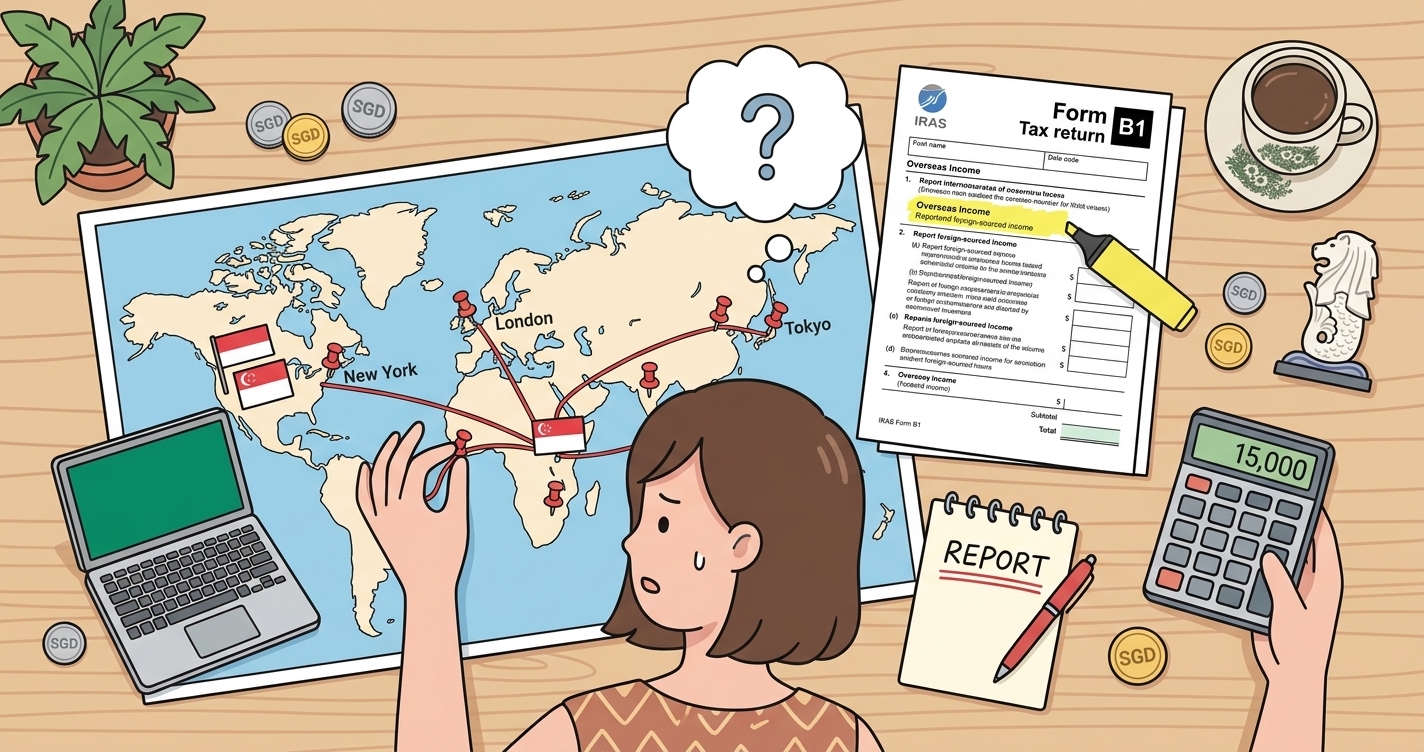
Do Singapore Freelancers Pay Tax on Overseas Client Income? 2026
"My clients are overseas, so I don't pay tax" is a costly myth. This 2026 guide explains how IRAS treats foreign-sourced income for individuals, the trap that catches freelancers with overseas clients, and how to report and record it correctly.
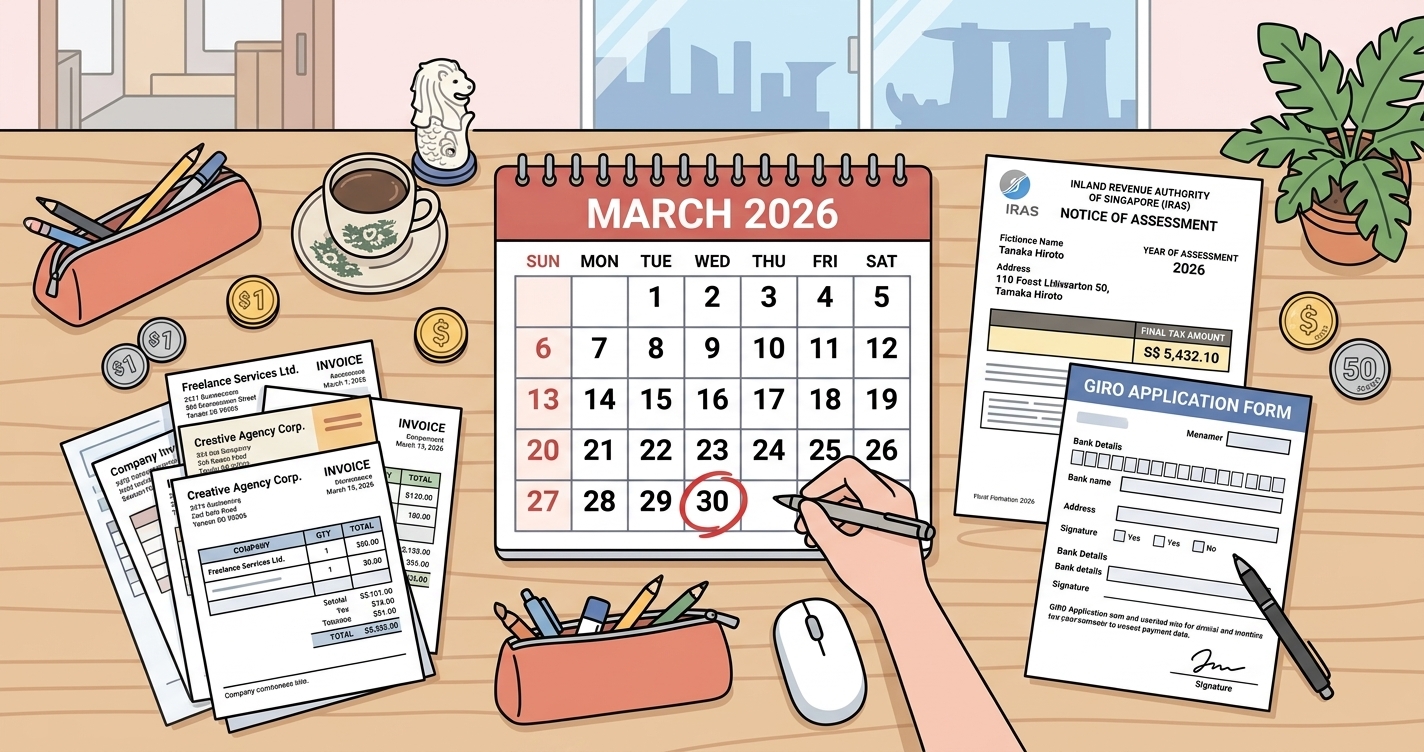
Paying Your Singapore Income Tax 2026: GIRO Instalments and Deadlines
Your Singapore income tax is due one month after your Notice of Assessment. Learn how GIRO spreads the bill into up to 12 interest-free instalments, the payment methods available, and how to avoid the 5% late-payment penalty.
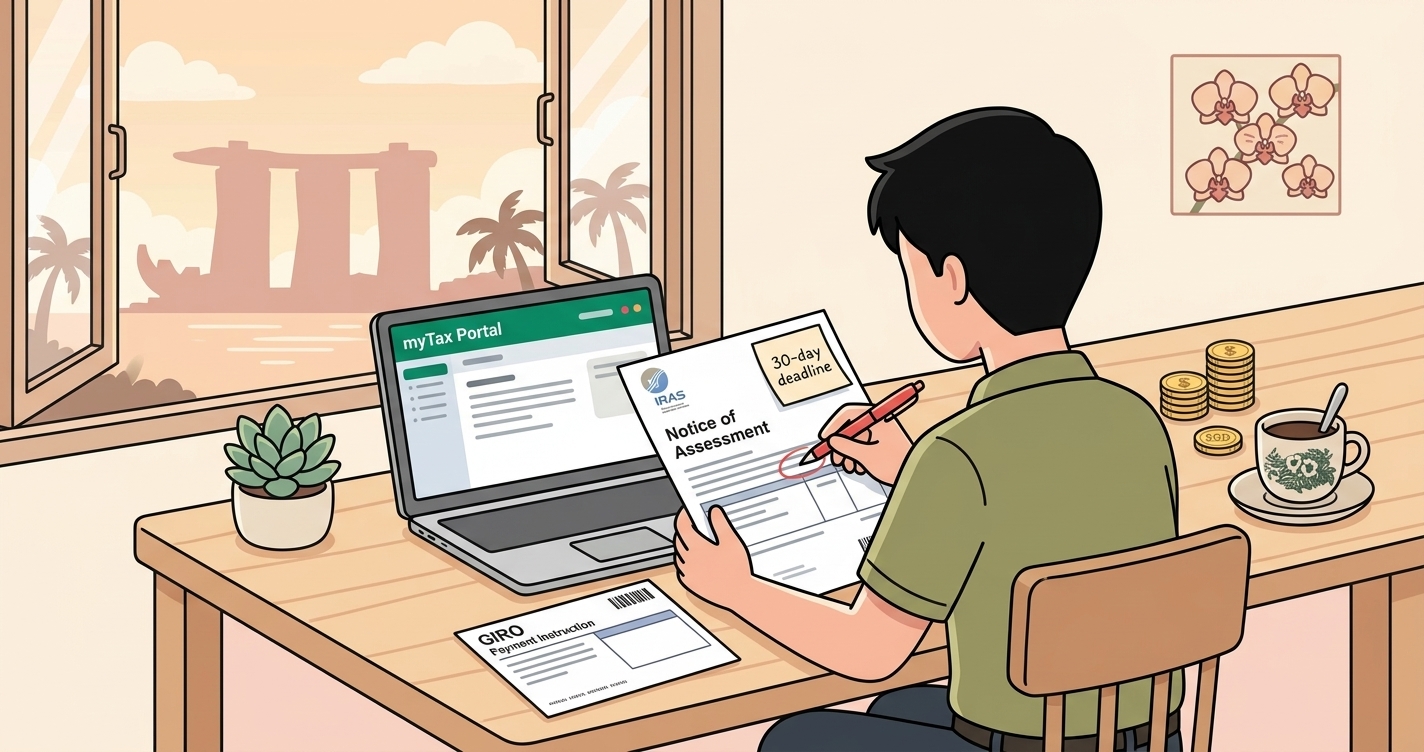
Understanding Your IRAS Notice of Assessment: Check, Object, and Pay (2026)
Your Notice of Assessment is your official Singapore tax bill. Learn how to read it, amend errors within 30 days, and pay via GIRO — with tips for self-employed and platform workers.
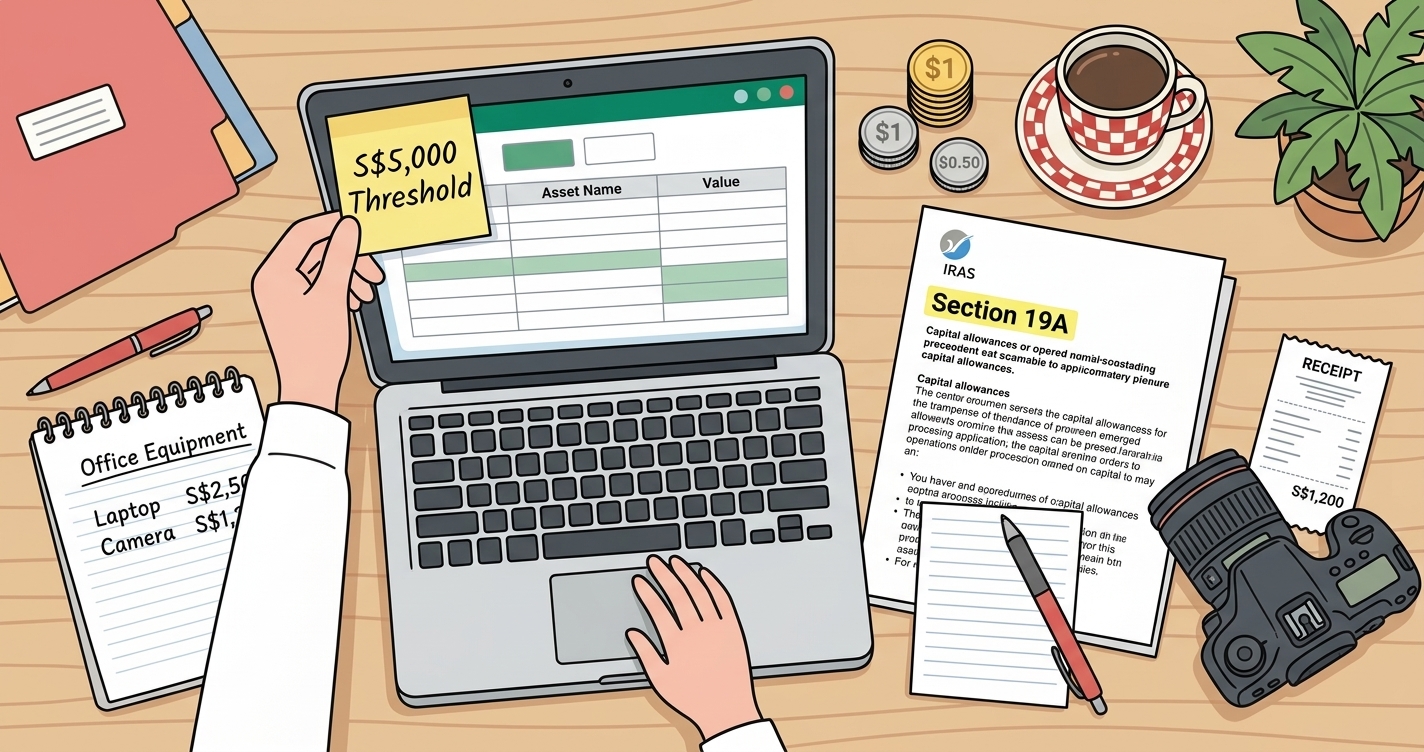
Capital Allowances in Singapore: Writing Off Equipment as a Freelancer (2026)
Bought a laptop, camera or office furniture for your business? You usually can't expense it all at once, but you can claim capital allowances. Here's how Section 19 and 19A work, the S$5,000 low-value asset rule, and the one-year write-off for computers.
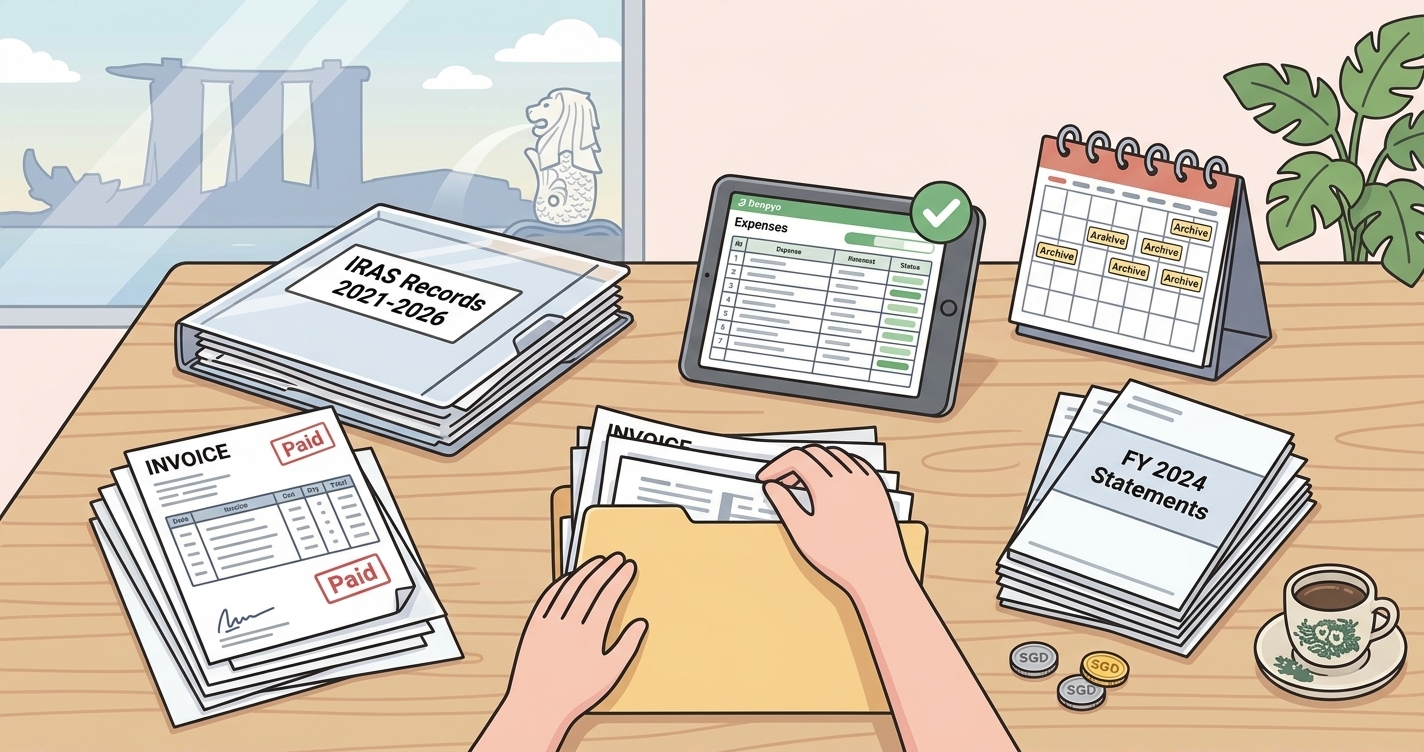
IRAS Audits & Record Requests: A Freelancer's Readiness Guide (Singapore, 2026)
An IRAS query or audit doesn't have to be scary—if your records are in order. This guide explains what triggers a review, the 5-year record-keeping rules for self-employed people, the penalties for getting it wrong, and a practical checklist to keep your books audit-ready all year round.
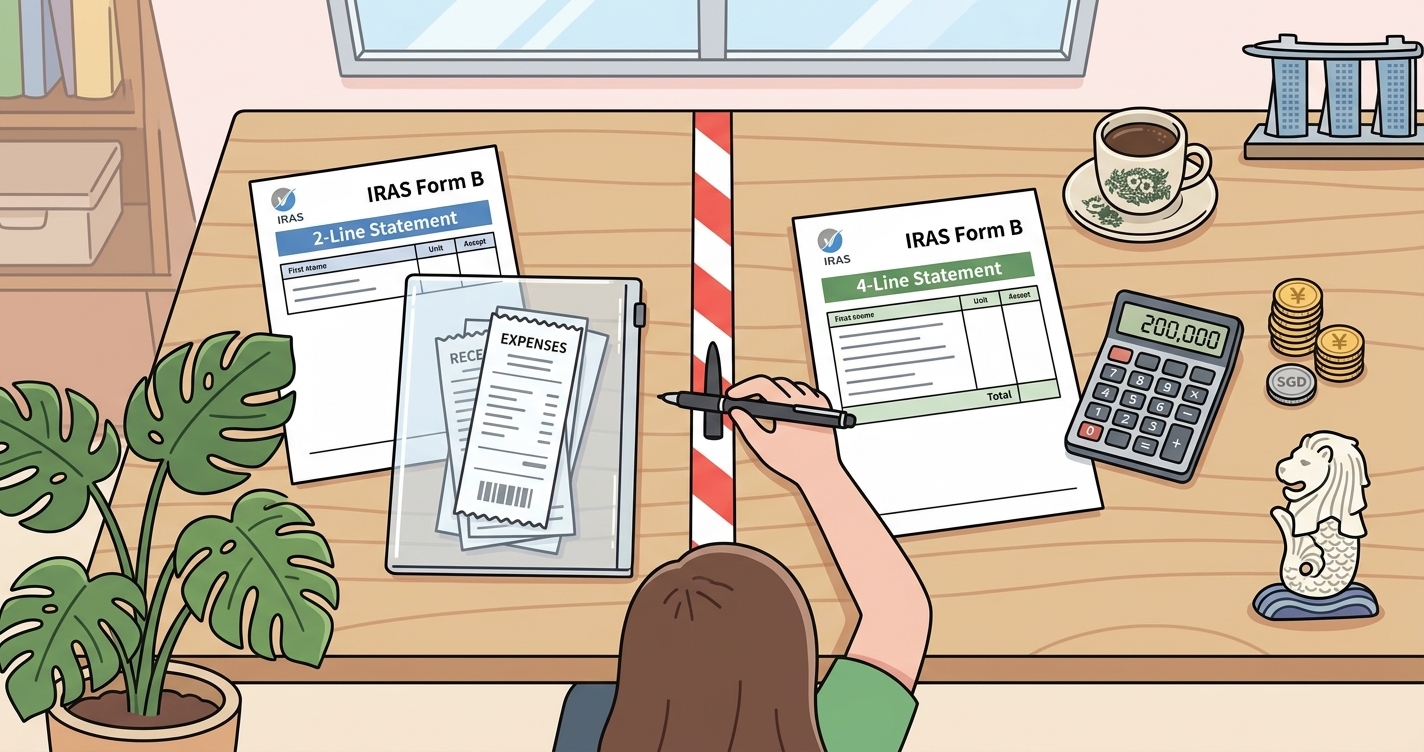
2-Line vs 4-Line Statement: Reporting Business Income to IRAS 2026
Singapore self-employed persons must report business income using a 2-line or 4-line statement, decided by the S$200,000 revenue threshold. This guide explains both formats, which one you use, and how clean records make filing easy.
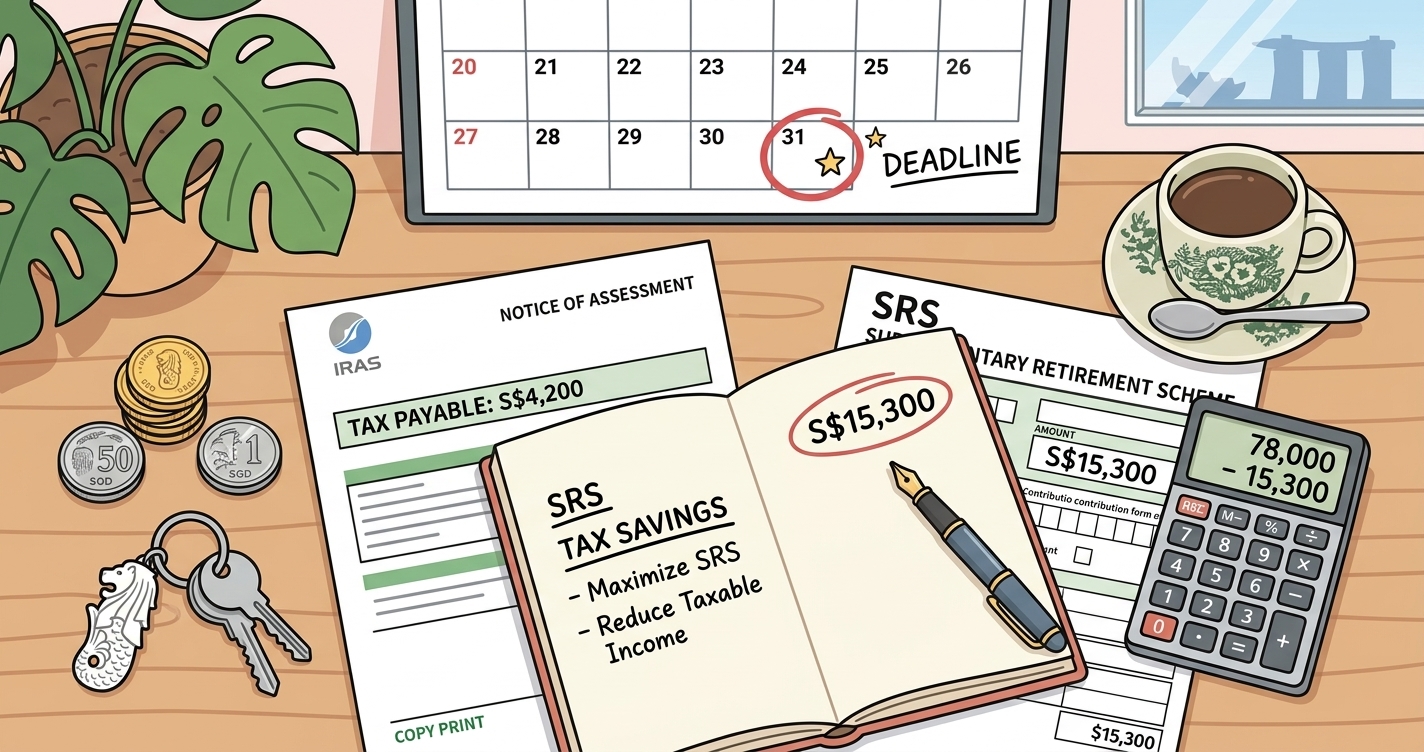
SRS (Supplementary Retirement Scheme): How Singapore Freelancers Can Reduce Their Tax Bill in 2026
Singapore's SRS lets freelancers and self-employed individuals reduce their taxable income by up to S$15,300 per year — while investing those funds tax-free for retirement. Here's how to make it work for you.
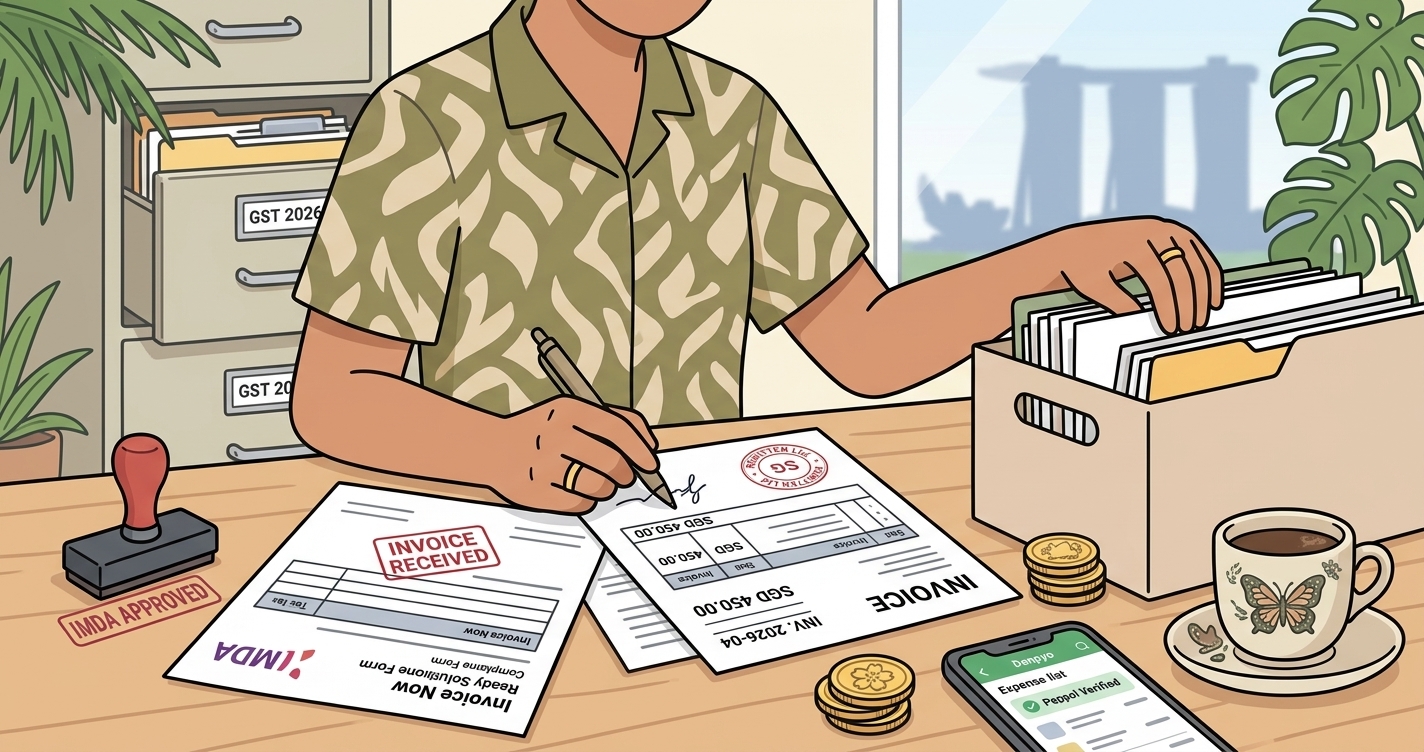
InvoiceNow Mandate 2026: What Every Singapore Freelancer Needs to Know
Singapore's InvoiceNow e-invoicing requirement is expanding in 2026. Learn what it means for your freelance business, the timeline, and how to prepare.
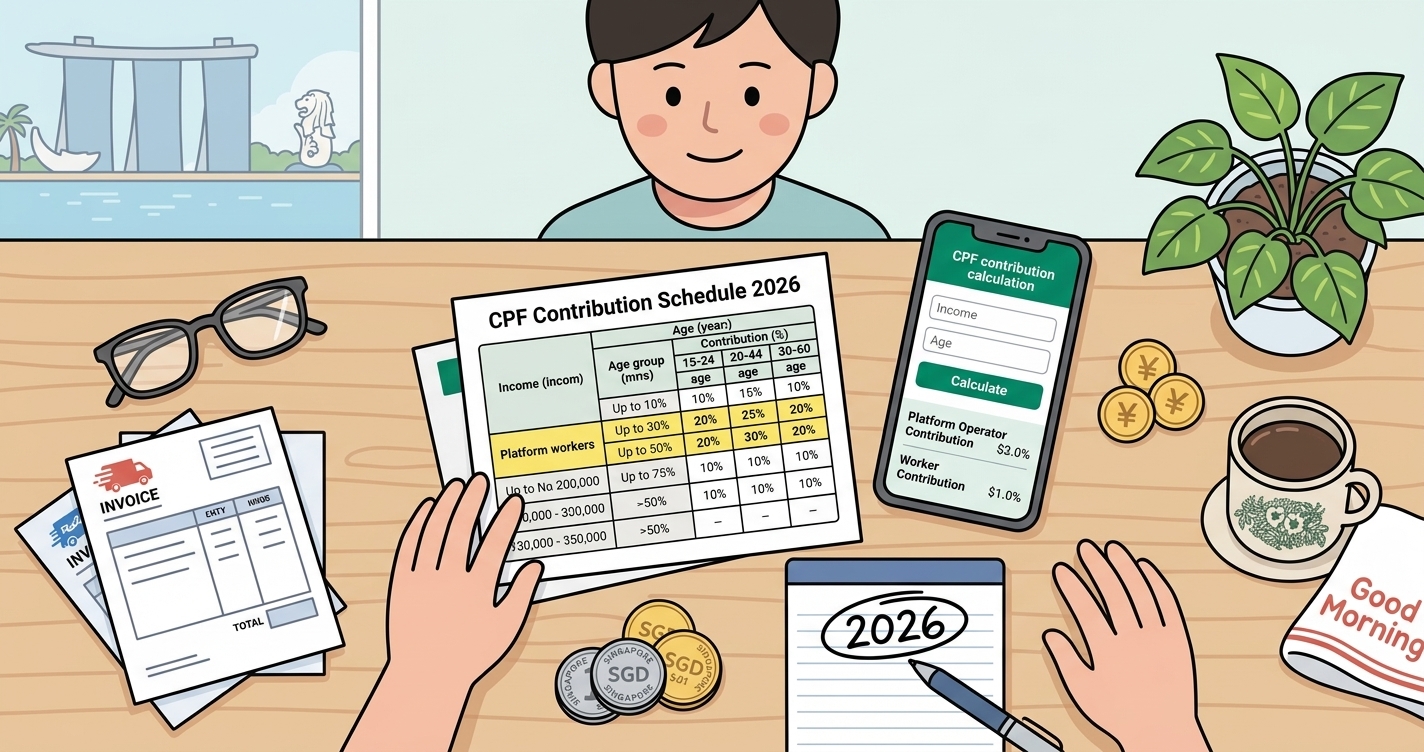
Platform Workers CPF 2026: New Mandatory Contributions Explained
How Singapore's Platform Workers Act changed CPF for Grab, Foodpanda, and Deliveroo workers in 2025 — and the 2026 rates, opt-in rules, and filing steps.

10 Common Tax Mistakes Singapore Freelancers Make (And How to Avoid Them in 2026)
From missing the April 18 deadline to mixing personal and business expenses, here are the most common tax filing mistakes Singapore freelancers and SME owners make — plus how to stay on the right side of IRAS.