

#Housing Loan Deduction
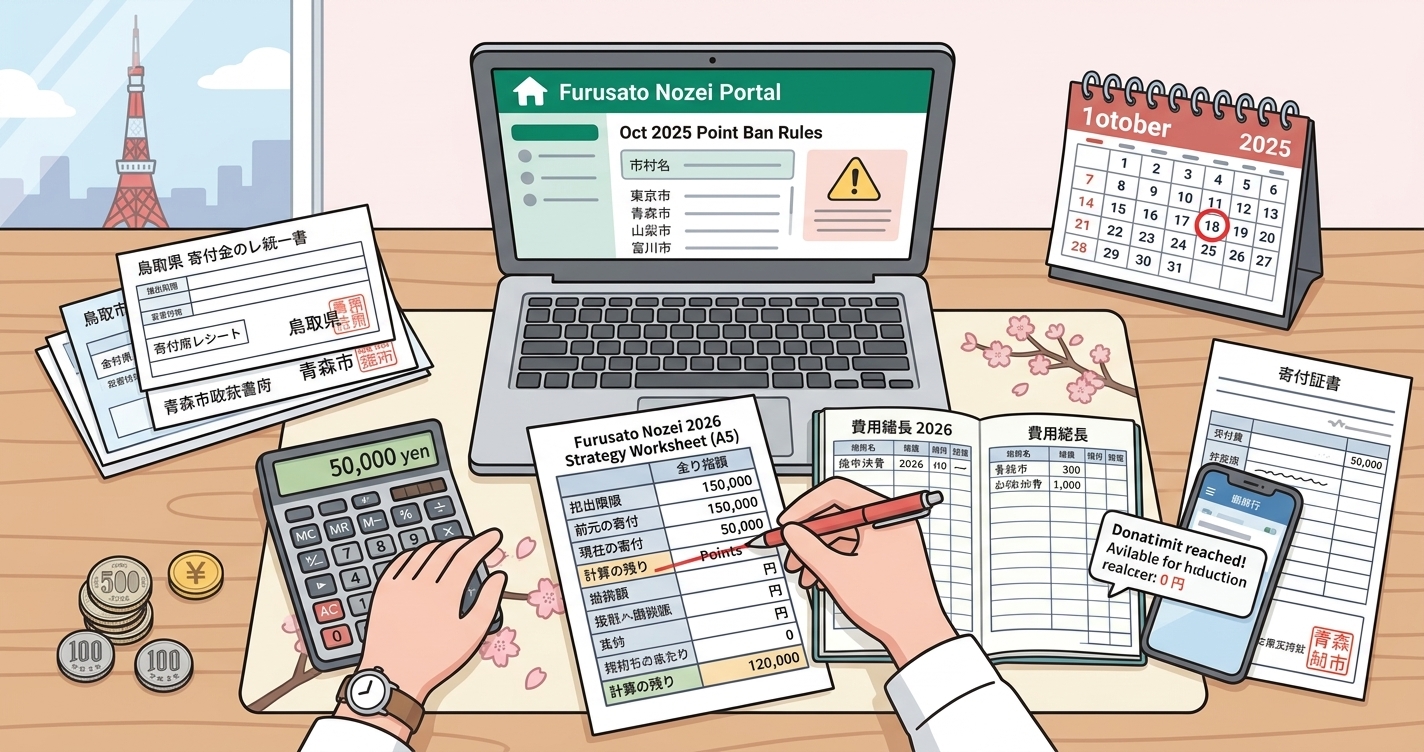
Furusato Nozei Point Ban (from Oct 2025) and 2026 Rule Changes: A Complete Guide for Sole Proprietors
From October 2025, furusato nozei reward points were banned, and return-gift rules tighten in October 2026. The deduction itself is unchanged. Here is how freelancers and sole proprietors can avoid over-donating and losing money.
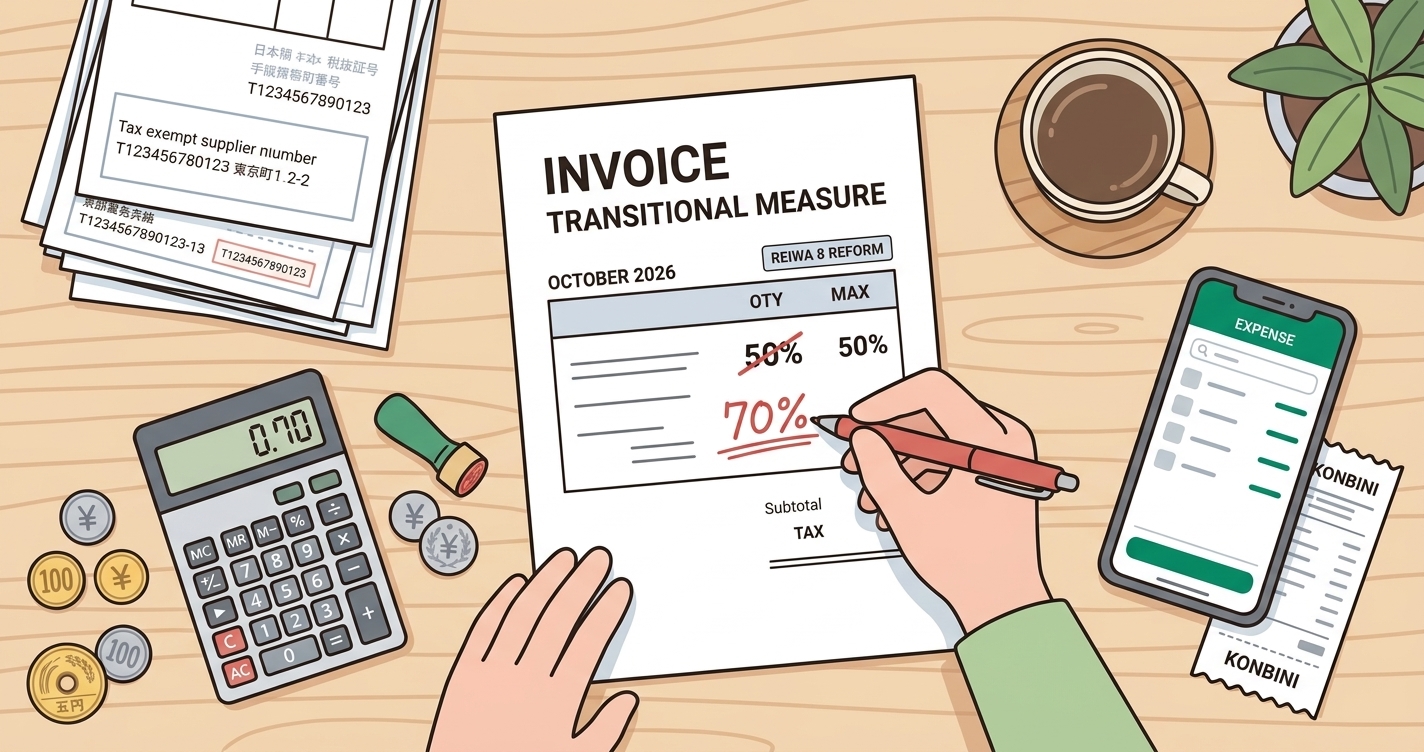
Japan's Invoice Transitional Credit Is Now 70% from October 2026 (Reiwa 8 Reform)
The FY2026 tax reform revised Japan's invoice transitional measure. From October 2026, the input-tax credit on purchases from tax-exempt suppliers is 70%, not 50%. Here's the new schedule and the bookkeeping rules to claim it.
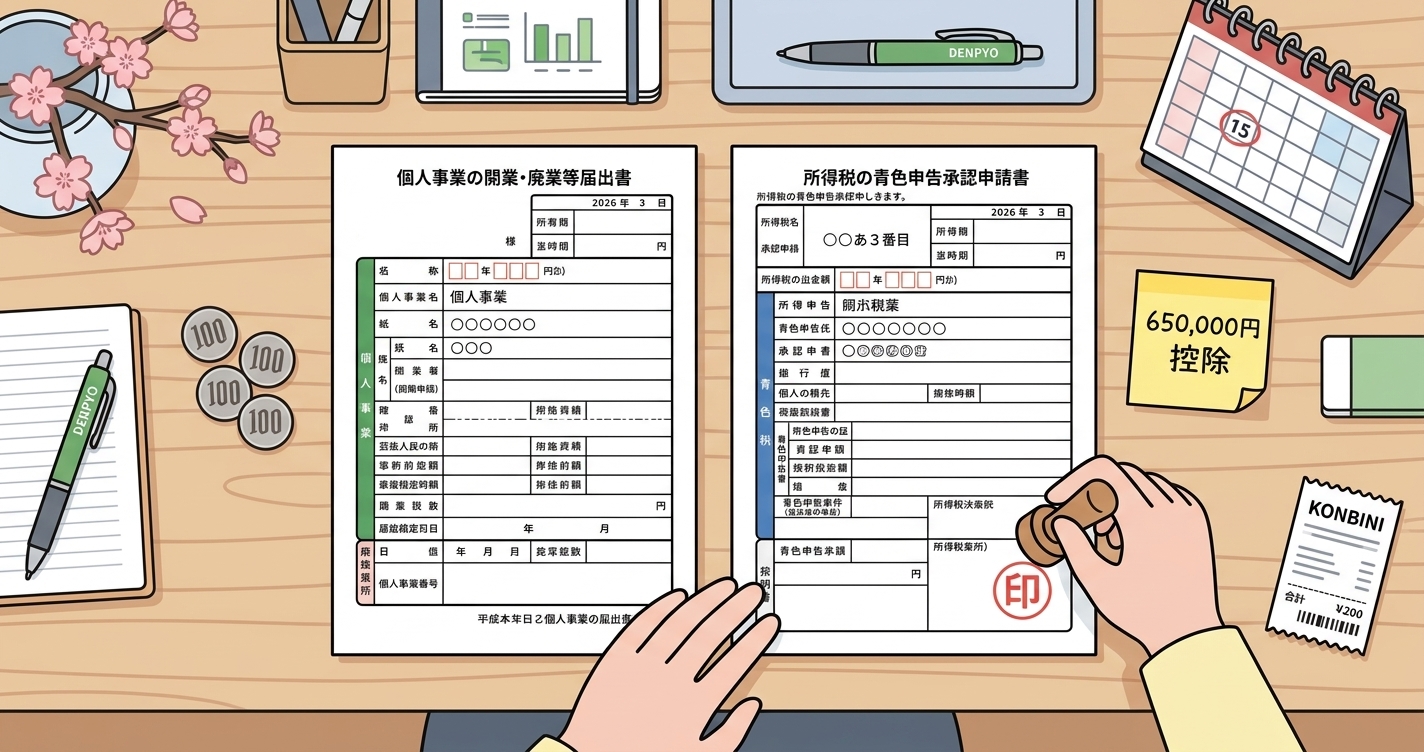
Freelance Startup Guide 2026: Opening Notification & Blue Return
The first two forms to file when you go freelance in Japan. This 2026 guide covers the difference between the opening notification and blue return application, their deadlines, how to complete and submit them, and how to secure the up-to-650,000-yen deduction.
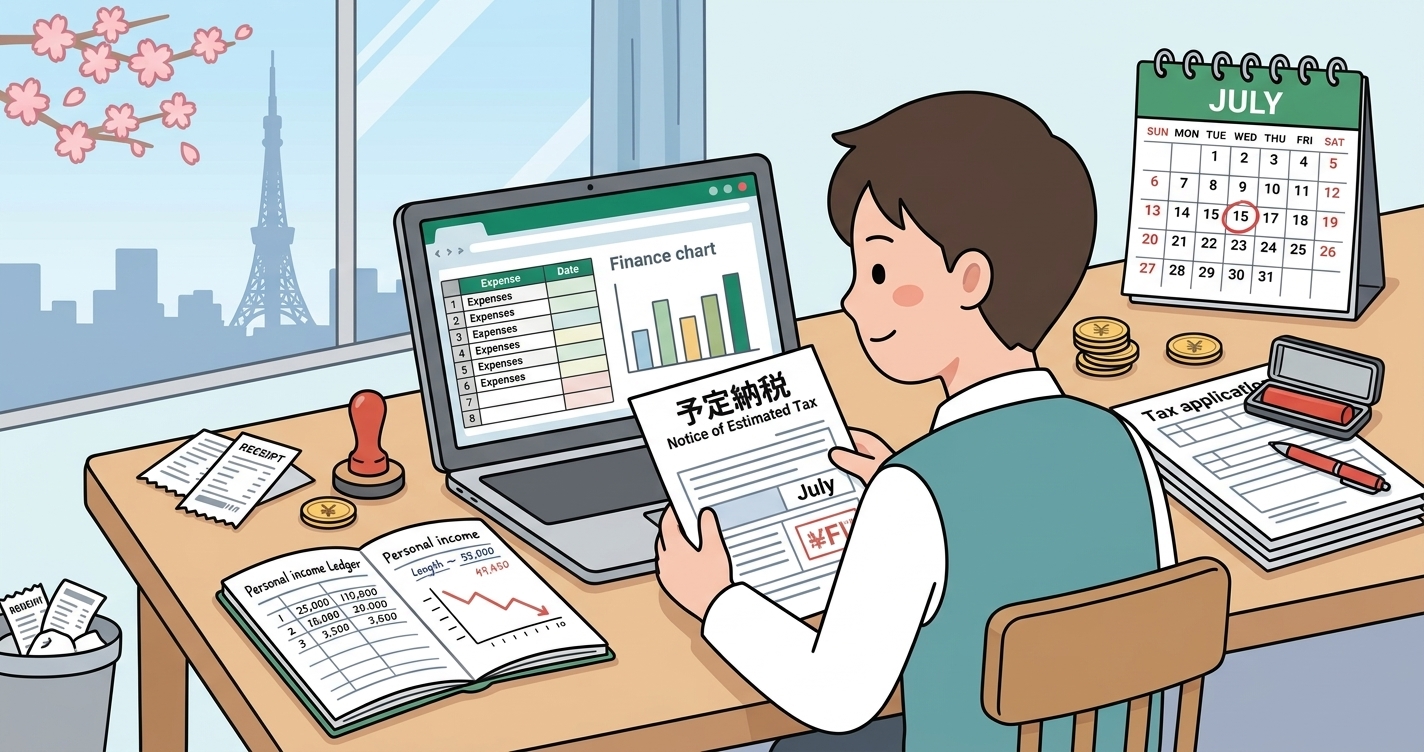
Reducing Estimated Tax in Japan 2026: The 15 July Deadline for Freelancers
If your income is down this year, an application to reduce estimated tax lowers your prepayment. Ahead of the 15 July first-period deadline, we explain the conditions, steps, and examples for freelancers and small businesses.
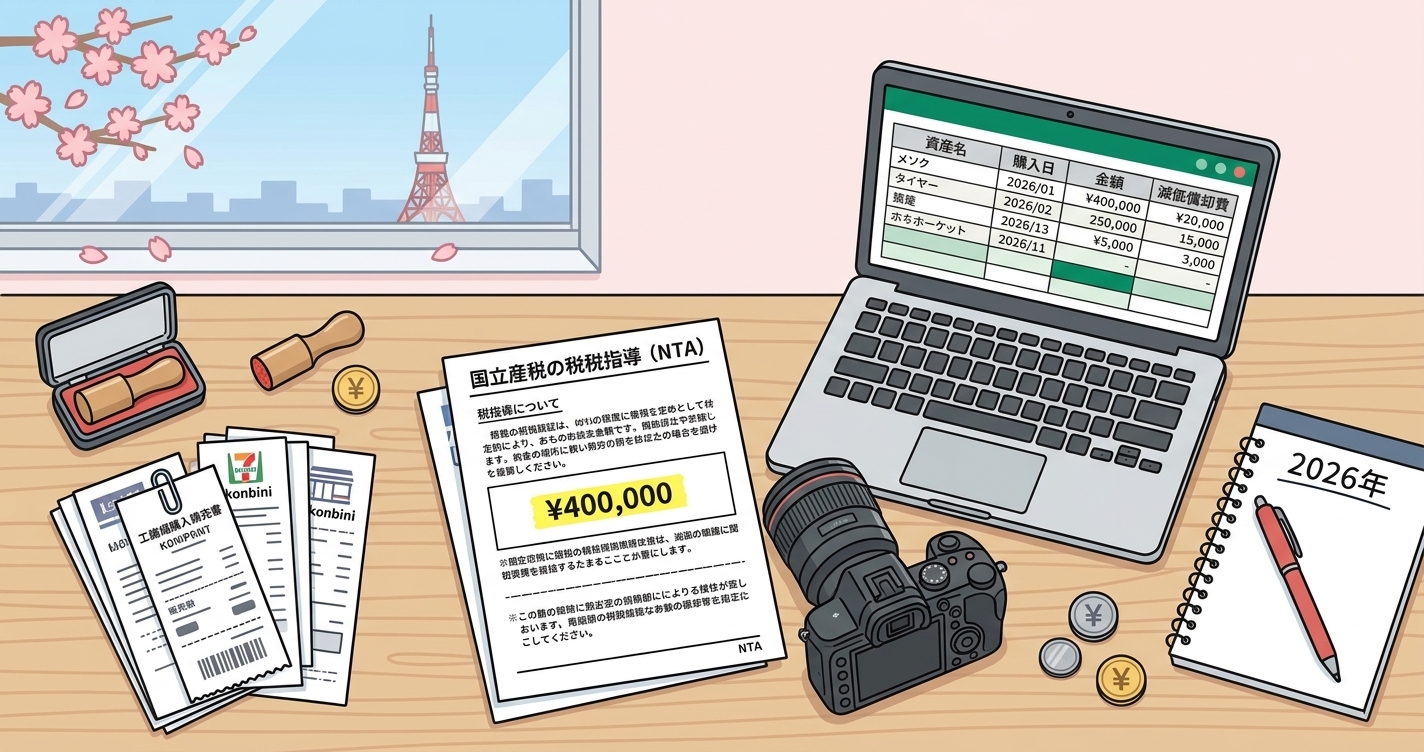
Japan's Small-Asset Full-Expensing Limit Rises to Under ¥400,000 (FY2026)
The FY2026 reform raised Japan's small-amount depreciable asset exemption from under ¥300,000 to under ¥400,000. Here is who qualifies, the conditions, and the tax savings for freelancers and SMEs.
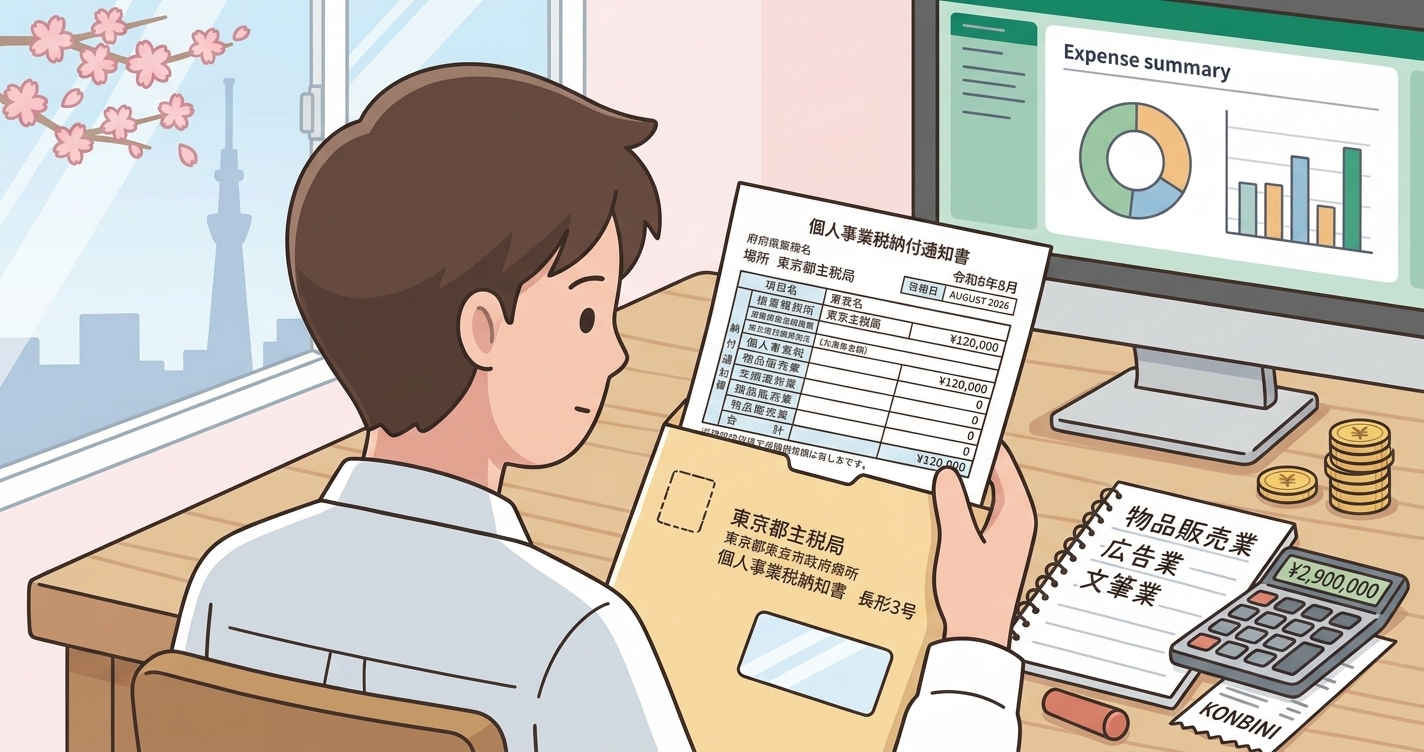
Individual Enterprise Tax in Japan: Who Pays, Rates & How to Calculate (2026)
A friendly guide to Japan's individual enterprise tax (kojin jigyozei) for freelancers and small businesses: which of the 70 statutory trades are taxed, the 3-5% rates, and how the 2.9 million yen business-owner deduction works.
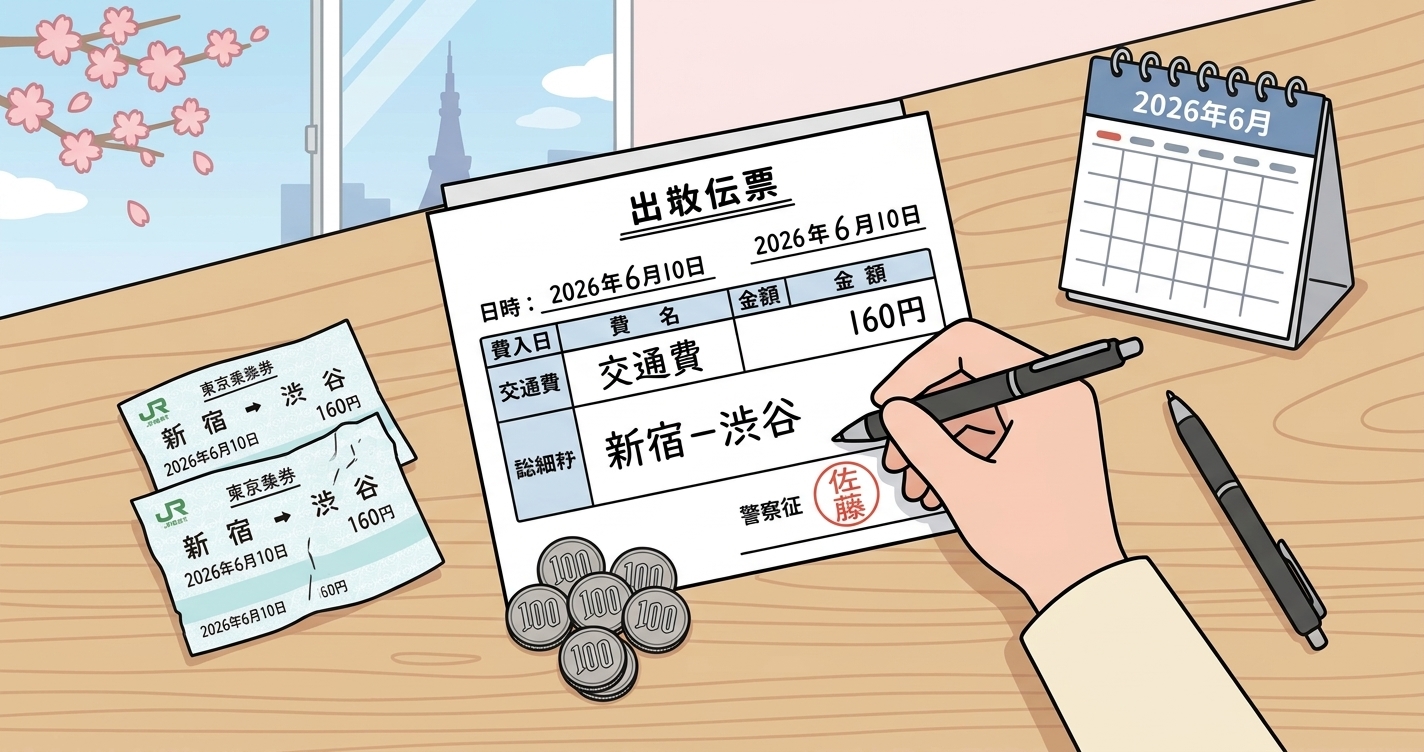
No Receipt? How to Still Claim the Expense with a Cash Voucher (Japan, 2026)
Train fares, condolence money, split bills, vending machines—plenty of business expenses come without a receipt. With the right record, you can still deduct them. Here is how to write a Japanese cash voucher (shukkin denpyo), what backup evidence to keep, and how to stay compliant with the 2026 Electronic Books Preservation Act.
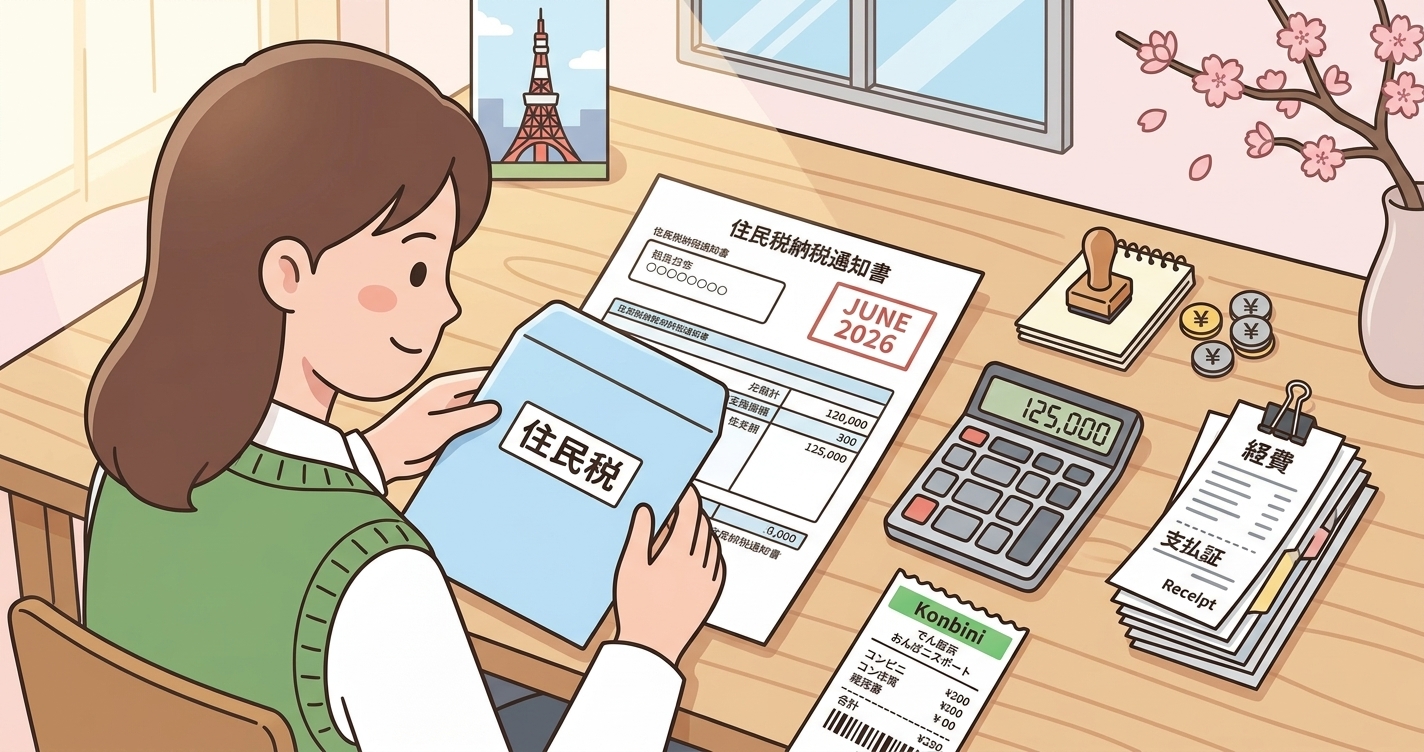
Residence Tax (Juminzei) Guide for Sole Proprietors 2026: Reading Your June Notice
Every June, sole proprietors and freelancers in Japan receive a residence tax notice. This guide explains how juminzei is calculated for fiscal 2026, the four ordinary-collection payment dates, and why accurate expense records also lower your residence tax.
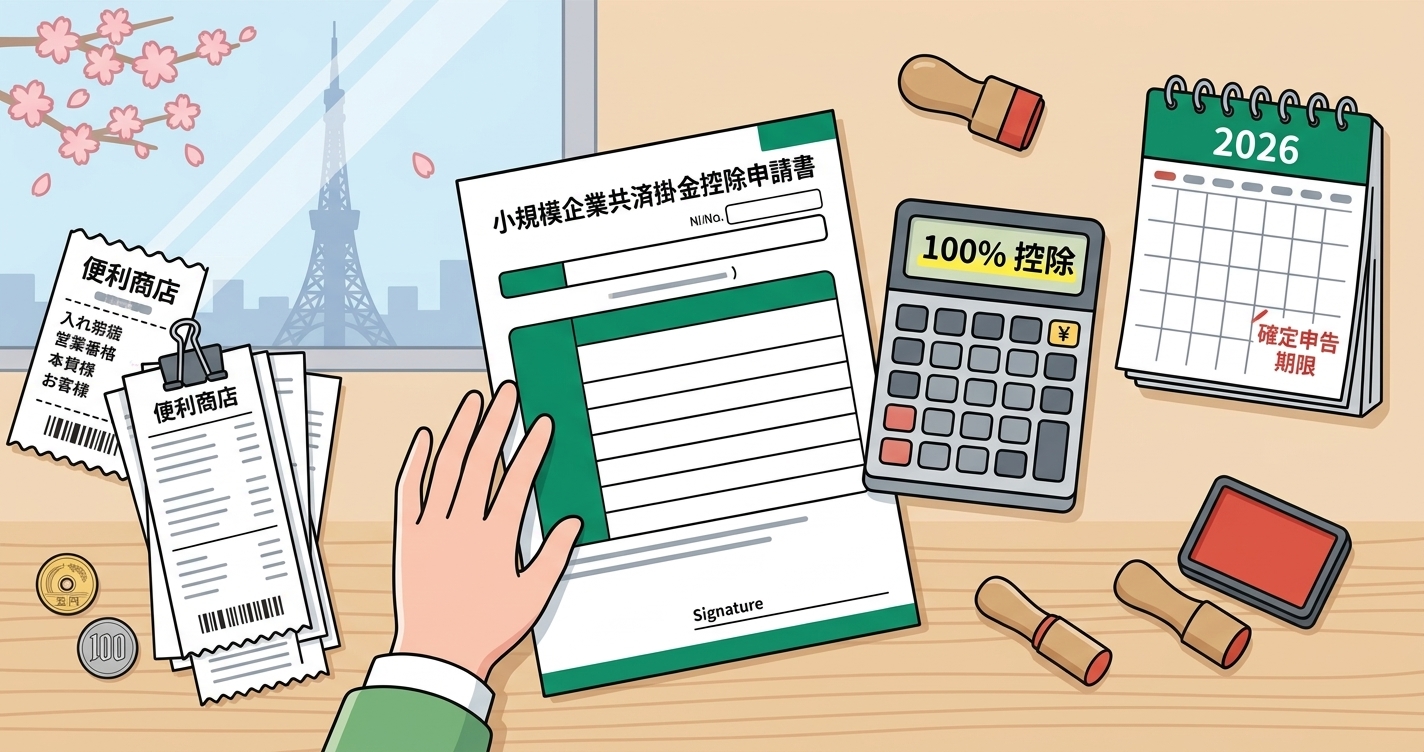
Small Business Mutual Aid (Shoukibo Kigyou Kyosai): Tax Savings Guide for Freelancers 2026
Japan's Small Business Mutual Aid scheme lets freelancers deduct 100% of premiums from taxable income while building a retirement fund. Here's everything you need to know.
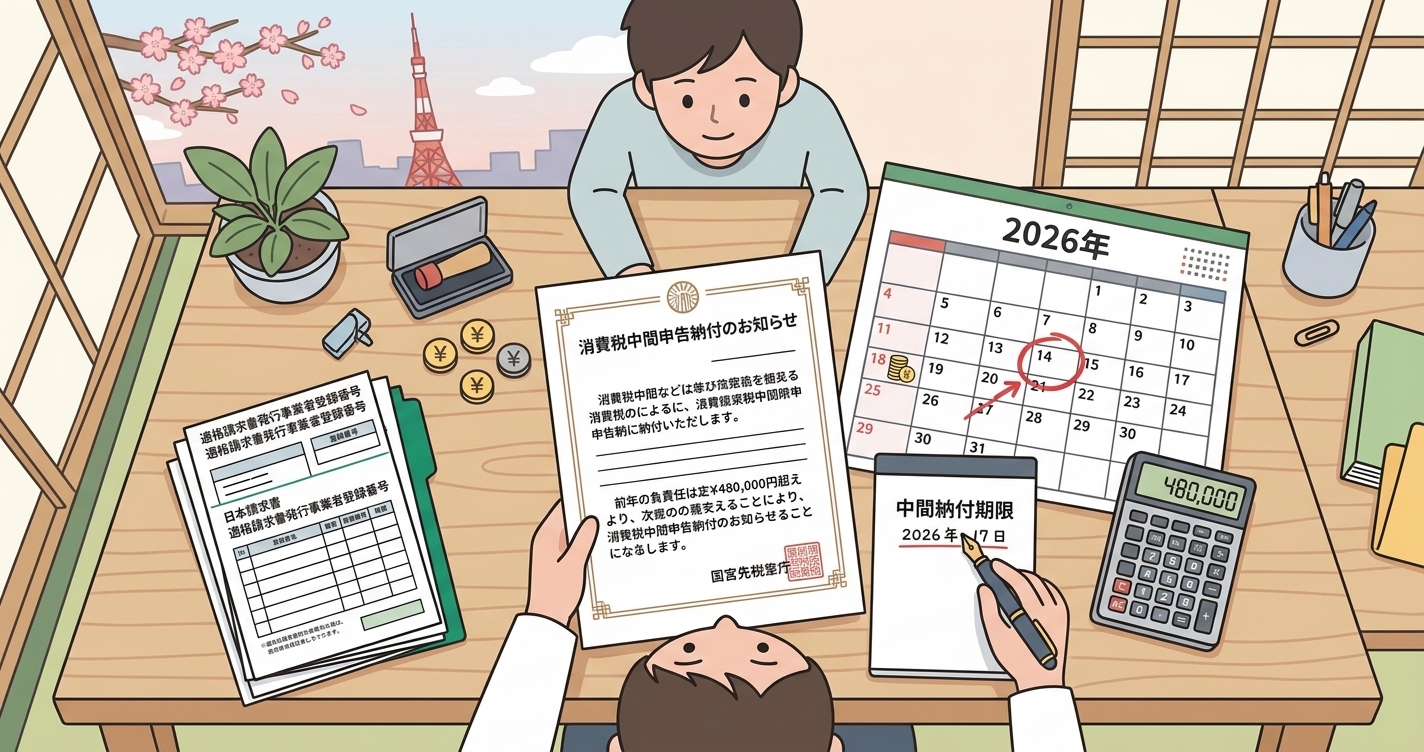
Japan Consumption Tax Interim Filing Guide 2026 | Freelancers and Sole Proprietors
If you registered for Japan's invoice system and paid over ¥480,000 in consumption tax last year, interim tax payments may be due in 2026. Here's everything you need to know.
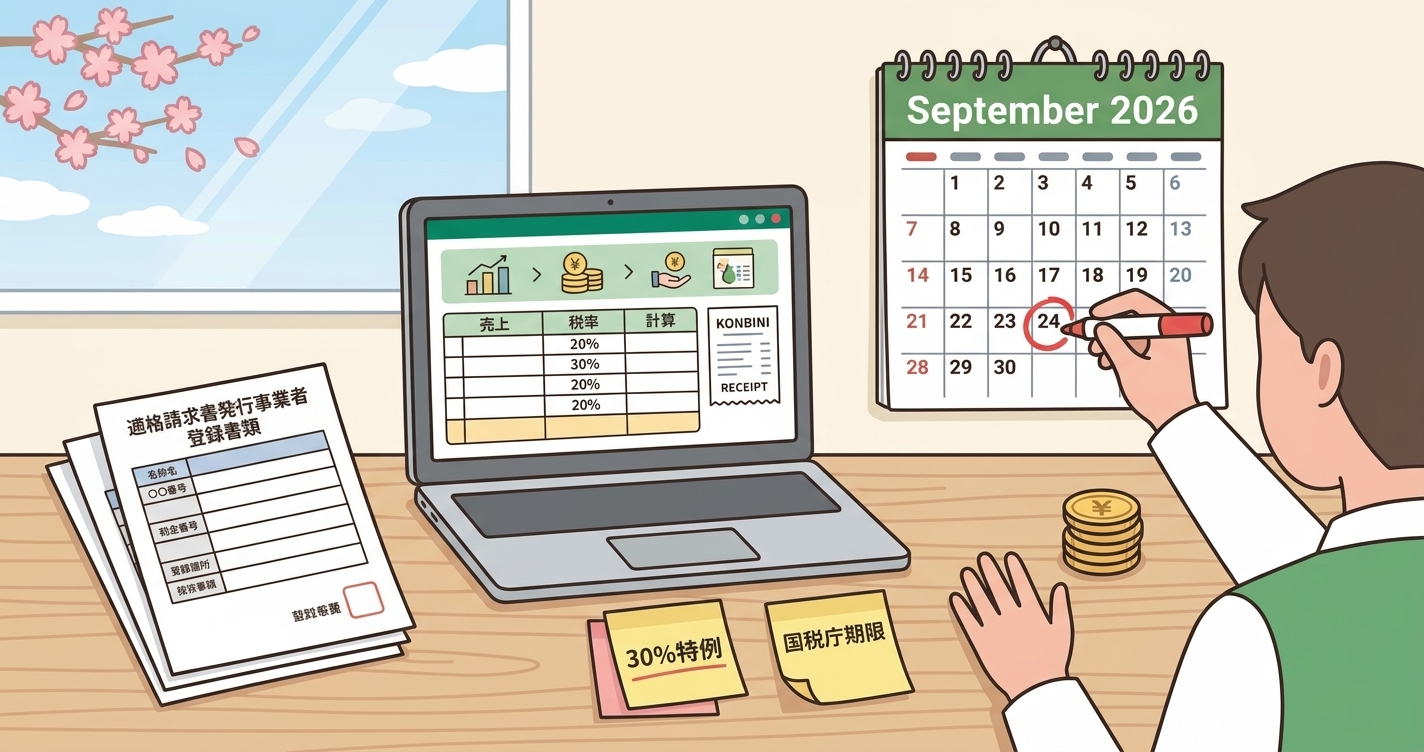
Japan's 20% Consumption Tax Rule Ends September 2026: What Freelancers Must Do Now
Japan's 20% consumption tax special rule (2割特例) expires September 30, 2026. Here's what freelancers need to know about the new 30% individual rule and the December 31 election deadline.
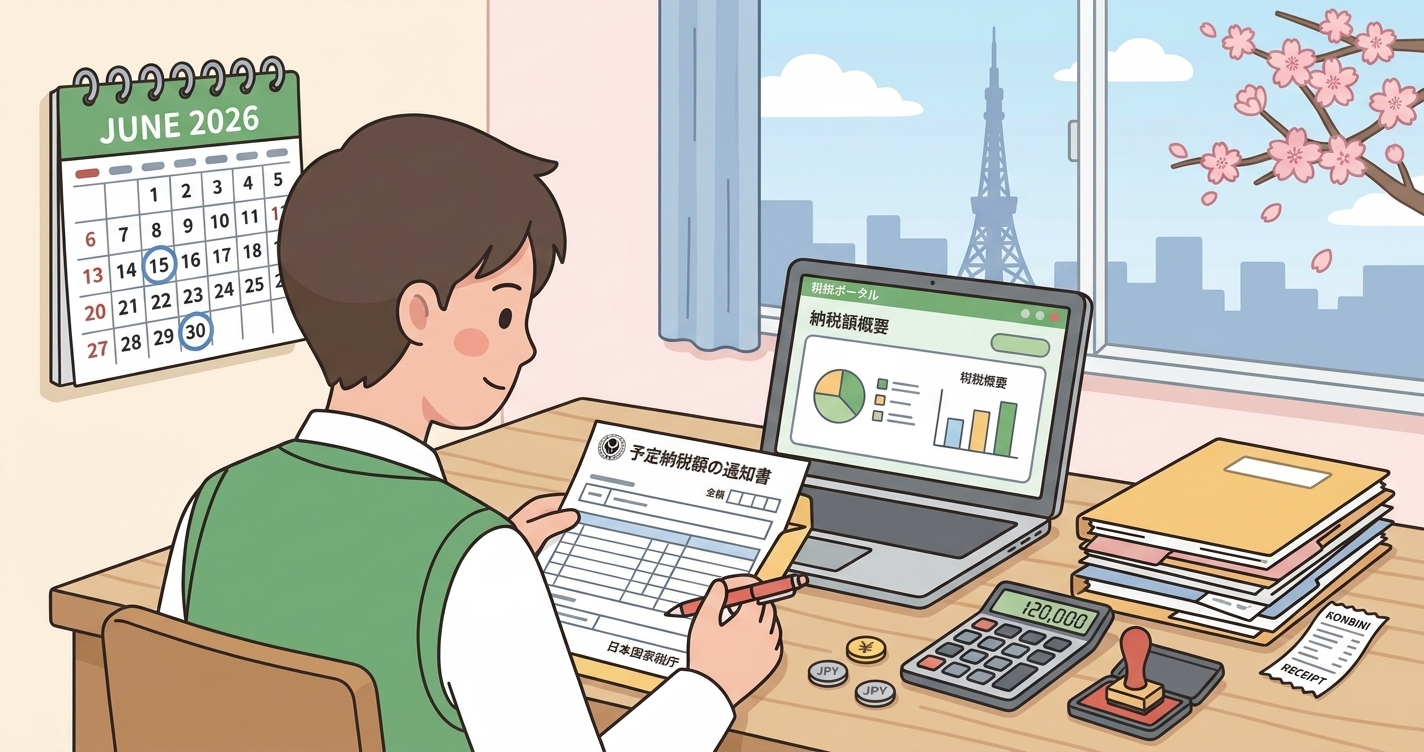
Japan Prepayment Tax (Yotei Nozei) Guide for Freelancers 2026
Confused by the tax prepayment notice from Japan's tax office? This guide explains how Yotei Nozei works, 2026 payment deadlines, and how to apply for a reduction if your income has dropped.